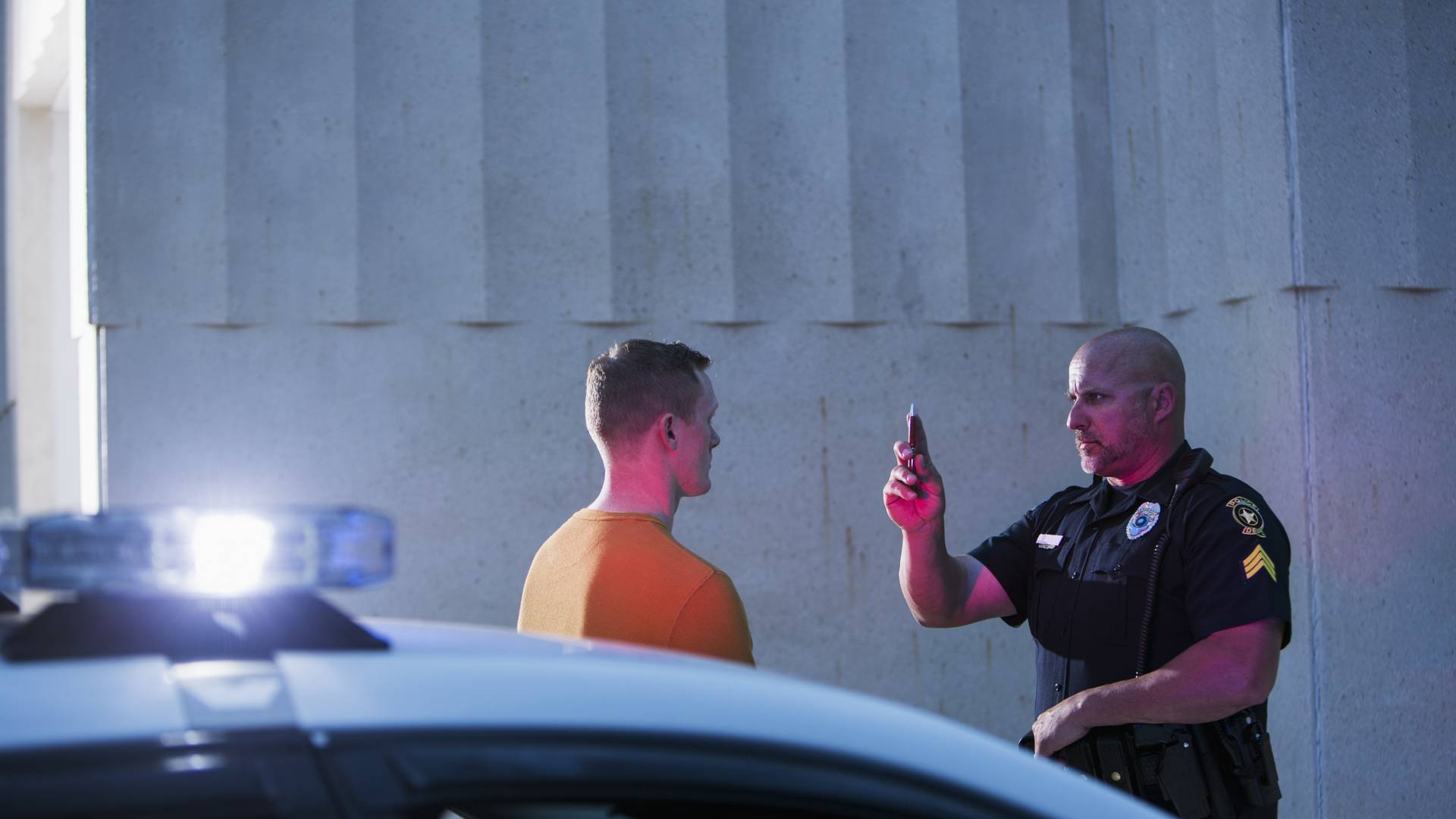
Seattle Vehicular Assault Lawyer
28 Years of Seattle Felony Defense. I Handle Every Case Myself.
A vehicular assault charge can arrive before you’ve left the scene. What began as an accident or a traffic stop can become a Class B felony the moment a responding officer decides the other person’s injuries are serious enough. If you’re facing that charge, or if you believe one is coming, you need a Seattle vehicular assault attorney who understands both DUI law and felony defense at the level this statute demands.
I personally handle every vehicular assault case at Hale Law Enterprises. Clients aren’t handed off to associates. With more than 28 years of criminal defense experience in Seattle and Washington State courts, I’ve defended thousands of clients, including high-profile cases involving NBA athletes and executives at Northwest companies. Over 425 five-star Google reviews reflect that record. Consultations are free, available 24/7, and conducted in English or Spanish.
Call (206) 207-4776 to speak with a Seattle vehicular assault attorney. Your first consultation is free.
What Vehicular Assault Means Under Washington Law
Vehicular assault is defined under RCW 46.61.522. The charge doesn’t require intent to harm anyone. It requires that the driver’s conduct met one of three statutory thresholds and caused substantial bodily harm to another person.
The Three Prongs of RCW 46.61.522
The statute covers three categories of driving conduct:
- Driving under the influence as defined by RCW 46.61.502: a BAC of 0.08 or higher, a THC concentration of 5.00 ng/mL or higher, or being under the influence of intoxicating liquor, cannabis, or any drug
- Reckless driving: willful and wanton disregard for the safety of others, a standard higher than ordinary negligence
- Disregard for the safety of others: a lower threshold than reckless driving, but one that must substantially exceed ordinary negligence
In each case, the prosecution must also prove that the driver’s conduct was the proximate cause of substantial bodily harm. Under RCW 9A.04.110, substantial bodily harm includes a temporary but substantial disfigurement, a temporary but substantial loss or impairment of any bodily part or organ, or any fracture. Broken bones, significant lacerations that cause scarring, and temporary loss of consciousness can all qualify. Because the arresting officer makes the initial determination of whether an injury meets that threshold, it’s a contestable element in many cases.
How Charges Escalate & What I Bring to These Cases
Many vehicular assault charges start as a DUI or reckless driving citation and are upgraded to a felony once the extent of the victim’s injuries is confirmed, sometimes weeks after the incident. I’ve handled thousands of such cases and have thorough knowledge of breath and blood testing procedures and the police protocols used to establish DUI elements. That knowledge is essential when the DUI prong forms the foundation of the charge. One additional risk is worth noting. If a victim dies within three years as a proximate result of injuries from the incident, the charge can be elevated to vehicular homicide under RCW 46.61.520, a Class A felony.
Penalties for a Vehicular Assault Conviction in Washington
Vehicular assault is a Class B felony punishable by up to 10 years in prison and a fine of up to $20,000. The actual sentencing range for a first offense depends on criminal history. With no prior record, the standard range for DUI-based vehicular assault is 3 to 9 months. For reckless driving-based vehicular assault, it’s 1 to 3 months. Prior felony or DUI history can push a sentence well above those ranges.
Several factors can increase the sentence beyond the standard range. Under RCW 9.94A.533, sentencing enhancements add 12 months for an assault that occurred while attempting to elude law enforcement and 12 months for each passenger under 16 in the vehicle at the time. When multiple people were injured, each victim may be charged as a separate count, making stacked sentences a real possibility.
Collateral consequences extend far beyond the sentence itself:
- Washington Department of Licensing revocation under RCW 46.61.524, with reinstatement potentially requiring an ignition interlock device if alcohol or drugs were involved
- Loss of firearm rights
- Adverse immigration consequences, including visa denial or deportation proceedings
- Difficulty obtaining employment or professional licenses
- Effects on college admission, financial aid eligibility, and federal student loans
- Consequences for child custody and visitation arrangements
How Vehicular Assault Cases Are Prosecuted in King County
Vehicular assault is a felony tried in King County Superior Court, not Seattle Municipal Court. The King County Prosecuting Attorney’s Office has a dedicated felony traffic division that pursues these cases aggressively. Understanding how that office operates and how King County judges approach these charges at arraignment matters from day one.
One aspect of King County prosecutions that surprises many people is that formal charges are commonly delayed six to twelve months after the incident. The investigation takes time. Test results take time. But that window isn’t a period to wait. What a defendant does between the incident and the first court date can influence bail decisions and the overall trajectory of the case. Once charges are filed, the State typically requests bail of $100,000 or more at arraignment. I’m available 24/7, which is critical for clients who need counsel before charges are formally filed, and my 28 years in King County Superior Court mean I know this terrain.
Defense Strategies in Seattle Vehicular Assault Cases
Every vehicular assault case turns on specific facts, and those facts determine which defense angles are viable. I personally prepare and handle each case, so the strategy is built around your situation, not a template.
Defense approaches in vehicular assault cases commonly include:
- Challenging breath or blood test accuracy: including errors in blood draw procedures and lab analysis that create evidentiary problems
- Disputing substantial bodily harm: contesting whether the injury meets the statutory threshold under RCW 9A.04.110
- Contesting causation: questioning whether the driver’s conduct was actually the proximate cause of the injury
- Challenging field sobriety testing: examining whether standardized protocols were followed properly
- Examining accident reconstruction findings: identifying whether the physical evidence supports the State’s theory
- Questioning the lawfulness of the stop or arrest: which can result in suppression of key evidence
The DUI prong and the vehicular assault charge are legally connected. If the underlying DUI charge can be successfully challenged, the vehicular assault charge may also be subject to dismissal or reduction.
Ready to talk? Contact Hale Law Enterprises at (206) 207-4776 for a free consultation.
Speak with a Seattle Vehicular Assault Attorney Today
If you’ve been charged, or if you believe charges are coming, the time to act is now. I personally handle every vehicular assault case at Hale Law Enterprises, and I’m available around the clock to talk through your situation before it gets worse. A free consultation costs you nothing and can give you a clear picture of where you stand. I work with clients in English and Spanish.
Call (206) 207-4776 now to reach a Seattle vehicular assault attorney who can be in your corner from day one.

Our Real Results
-
City of Edmonds v. L.V.
December 2025 - Defendant charged with DUI and 4 other criminal charges. We were able to get the DUI reduced to negligent and all other charges dropped.
-
City of Marysville v. J.H.
Criminal Charge Dismissed 9/5/2024
-
City of Shoreline v. X.L.
December 2025 - Criminal theft charge dismissed. Defendant was charged with theft, immigration consequences if convicted, and had a warrant out for their arrest. Warrant dropped, case dismissed.
-
DOL v. J.N.
Department of Licensing hearing. Case dismissed so client was not suspended for a DUI charge.
-
DOL v. K.M.
Department of Licensing DUI hearing. Case dismissed, client did not lose license on a DUI charge.
-
DOL v. M.M.
Department of Licensing hearing. Case dismissed so client not suspended on a DUI charge.