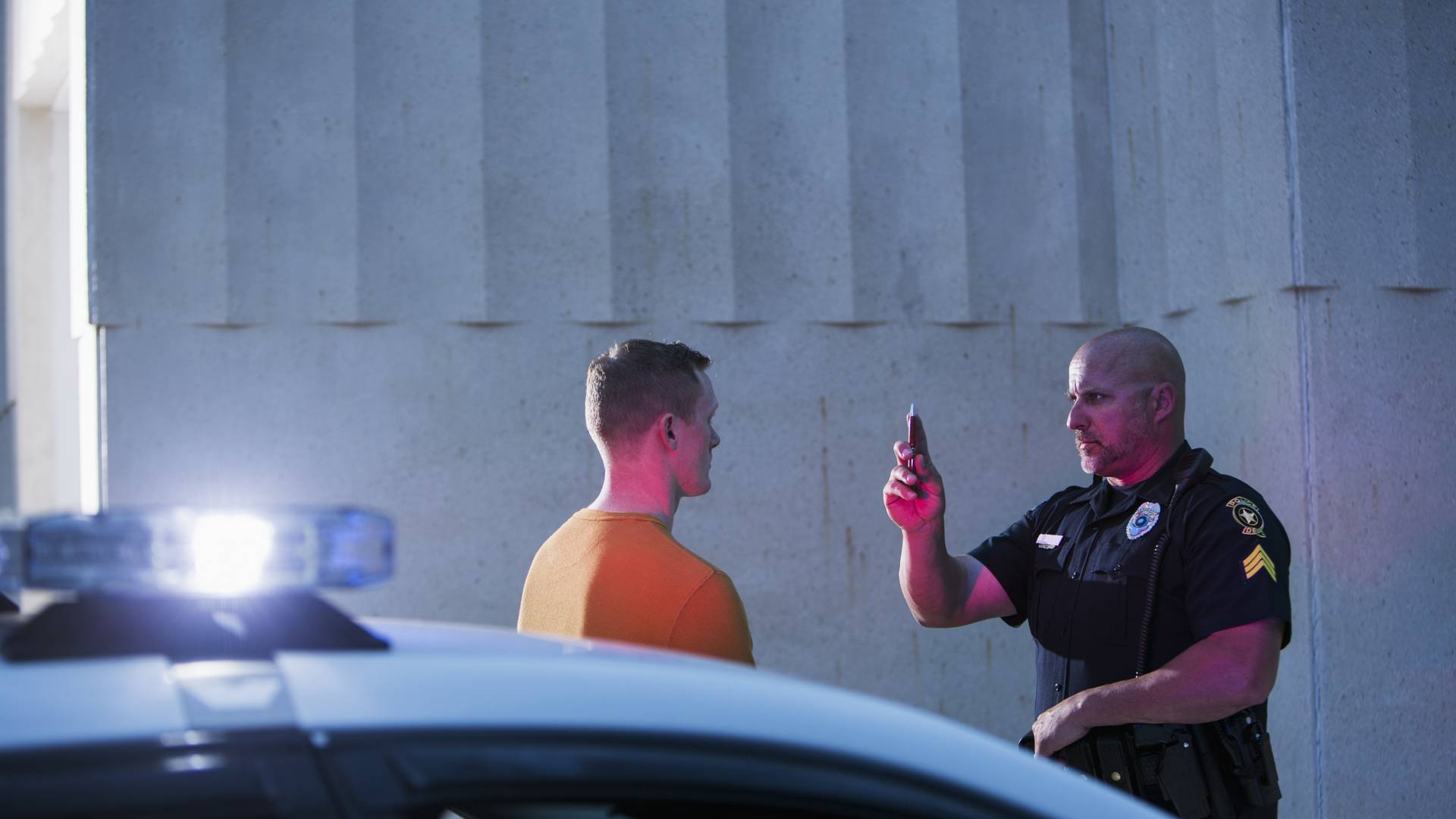
Possession With Intent to Deliver in Seattle
Defense Built Around the Evidence Washington Prosecutors Actually Use
Simple possession of a controlled substance under RCW 69.50.4013 is a gross misdemeanor, carrying up to 180 days in jail and a $1,000 fine. Possession with intent to deliver is an entirely different charge, classified as a felony with consequences that follow you long after any sentence ends.
RCW 69.50.401 makes it unlawful to manufacture, deliver, or possess with intent to manufacture or deliver a controlled substance. That last phrase is where most Seattle-area cases land. The charge depends on what prosecutors claim you planned to do with what they found.
If you’re facing a PWID charge, I offer free initial consultations and I’m available 24 hours a day, seven days a week. Call (206) 207-4776 to speak with me directly.
The Two Things the Prosecution Must Prove
To secure a conviction, the King County Prosecuting Attorney’s Office must establish two elements: that you possessed a controlled substance, and that you intended to deliver it. Both elements are worth challenging on their own terms.
Possession: Actual & Constructive
Actual possession means the substance was found on your person. Constructive possession is broader and more contested. It applies when drugs are found somewhere you allegedly controlled, such as a car or a shared apartment. In those situations, prosecutors must show you knew the substance was there and had the ability to control it. That’s not always as straightforward as they suggest.
Intent: Almost Always Circumstantial
Intent to deliver is rarely proven through direct evidence. Prosecutors typically rely on the quantity of drugs relative to personal-use amounts, individual packaging like small baggies, the presence of scales, large amounts of cash, or text messages and other communications. Quantity alone, without additional supporting evidence, generally isn’t sufficient to prove intent. Understanding exactly what evidence they have and what it actually shows is central to building a defense.
Felony Sentencing Exposure Under Washington Law
The classification depends on the controlled substance involved:
Class B felony: Possession with intent to deliver a Schedule I or II narcotic, methamphetamine, amphetamine, or flunitrazepam carries up to 10 years in prison and fines up to $25,000 for amounts under two kilograms. For quantities at or above two kilograms, the fine structure escalates significantly.
Class C felony: PWID charges involving other controlled substances in Schedules I through V are class C felonies under RCW 9A.20.021, punishable by up to 5 years in prison and fines up to $10,000.
A felony conviction also carries collateral consequences: loss of voting rights while incarcerated, restrictions on firearm possession, and the impact a felony record has on employment and housing.
How I Approach a Possession With Intent to Deliver Defense
Each case turns on its specific facts, so my approach starts with reviewing exactly what the prosecution has and how they got it. Three areas almost always receive close scrutiny.
Challenging the Possession Itself
In constructive possession cases, I examine whether the evidence actually connects you to the controlled substance or whether proximity is being used as a substitute for proof. Shared spaces create real ambiguity that prosecutors don’t always resolve the way they claim.
Contesting the Inference of Intent
Because intent is built from circumstantial evidence, the inferences prosecutors draw from quantity, packaging, or cash can be disputed. There are often innocent explanations for the same facts, and placing that alternative before a jury is a legitimate and often effective strategy.
Search & Seizure Challenges
If evidence was gathered through an unlawful search or arrest, it may be suppressible. A successful suppression motion removes that evidence from trial entirely. I review every search warrant, stop, and seizure in a case for constitutional compliance.
How PWID Cases Move Through King County Courts
Because possession with intent to deliver is a felony, your case can be heard in King County Superior Court rather than a municipal court. The King County Prosecuting Attorney’s Office prosecutes these cases and brings significant resources to bear. Lower-level drug possession matters are handled separately by municipal prosecutors. Knowing which office and which court you’re dealing with matters from the first appearance forward.
Why Seattle Clients Facing Drug Charges Work With Me
I personally handle every case I take. There’s no handoff to an associate after the initial consultation. That means the strategy built in your case reflects 27 years of courtroom experience applied specifically to your facts, not a generalized approach from a firm where you may never meet the attorney who appears on your behalf.
Hale Law Enterprises has earned over 250 five-star Google reviews, and I’ve defended clients in high-profile criminal matters throughout King County. I also believe clients make better decisions when they understand what’s happening, so I make it a point to keep you informed about your rights and options at every stage. Legal services are available in both English and Spanish.
Speak With Me About Your Case Today
A PWID charge demands a defense that addresses the actual evidence against you. With 30 years of experience handling serious criminal matters in King County, I know how prosecutors build these cases and where the real opportunities to challenge them lie.
Call Hale Law Enterprises at (206) 207-4776 to schedule your free consultation. I’m available 24 hours a day, seven days a week.

Our Real Results
-
City of Edmonds v. L.V.
December 2025 - Defendant charged with DUI and 4 other criminal charges. We were able to get the DUI reduced to negligent and all other charges dropped.
-
City of Marysville v. J.H.
Criminal Charge Dismissed 9/5/2024
-
City of Shoreline v. X.L.
December 2025 - Criminal theft charge dismissed. Defendant was charged with theft, immigration consequences if convicted, and had a warrant out for their arrest. Warrant dropped, case dismissed.
-
DOL v. J.N.
Department of Licensing hearing. Case dismissed so client was not suspended for a DUI charge.
-
DOL v. K.M.
Department of Licensing DUI hearing. Case dismissed, client did not lose license on a DUI charge.
-
DOL v. M.M.
Department of Licensing hearing. Case dismissed so client not suspended on a DUI charge.