
If you’ve been pulled over for suspected DUI in Seattle and are asked to take a Breathalyzer test, the decisions you make in those moments can have far-reaching consequences. Many drivers are unsure about whether they have the right to refuse, how refusal impacts their driver’s license, or what their next steps should be.
Over more than two decades, I’ve guided people through these difficult situations, helping them understand the law, potential penalties, and the best path forward. Here’s a thorough breakdown of what Breathalyzer refusal means in Seattle, the immediate and lasting effects, and why experienced legal guidance is crucial at every step.
What Are the Legal Requirements for Breathalyzer Tests in Seattle?
Under Washington’s implied consent law, any driver operating a vehicle on Washington roads is understood to have agreed to submit to chemical testing—such as a Breathalyzer—if lawfully arrested for a DUI. This legal principle, outlined in RCW 46.20.308, affects everyone arrested for impaired driving in Seattle.
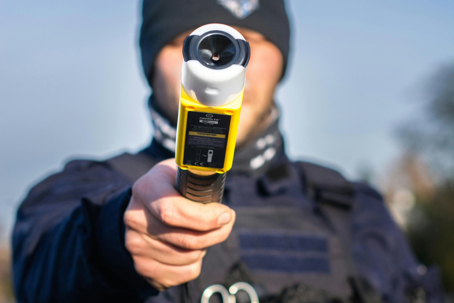
The law also distinguishes between a roadside portable breath test (PBT) & the official evidentiary Breathalyzer usually administered at a police station following your arrest:
- If you’re stopped for suspicion of DUI, an officer may request a PBT before formal arrest. In most cases, you can refuse this initial roadside test without immediate penalty, although refusal may provide the officer with increased suspicion and probable cause for an arrest.
- If you are arrested, you will be offered the official, evidentiary Breathalyzer. At this point, police are legally required to read you the Implied Consent Warning—explaining your rights and the penalties of refusal, including potential license suspension and the fact that refusal may be used against you in subsequent criminal proceedings.
The distinction between these two types of tests is critical. Only refusal of the post-arrest, evidentiary Breathalyzer leads to automatic consequences, such as license suspension and possible criminal ramifications. Understanding these legal nuances is essential before making a decision about whether or not to submit to testing.
What Happens Immediately After Refusing a Breathalyzer in Seattle?
Refusing the official Breathalyzer test after a DUI arrest in Seattle immediately puts several processes in motion. The officer will document the refusal in your arrest report, which becomes a significant piece of evidence if your case moves forward. You will be taken into custody, booked, and provided with paperwork that outlines your next steps and informs you of your rights.
One consequence you’ll face right away is the start of an administrative process by the Washington State Department of Licensing (DOL). The officer will issue you a "Notice of Intent to Suspend License," and you may be given a temporary paper permit if your physical license is taken. It’s important to understand that you have a very tight deadline—typically seven days—to request a DOL hearing to contest this proposed suspension. If you do not act in time, your license will automatically be suspended, regardless of the outcome of your criminal case.
How Severe Are the Penalties for Refusing a Breathalyzer Compared to Failing One?
Refusing a Breathalyzer test in Seattle brings serious consequences—often more severe than those for drivers who take and fail the test.
License Suspension
If you refuse a Breathalyzer test in Seattle, you almost certainly face a mandatory driver’s license suspension. For a first offense, your license will be suspended for one year. Repeat refusals or DUI-related suspensions within a seven-year period may increase the penalty up to two years or more, depending on your history. This suspension is automatic through the Department of Licensing unless you request a hearing within seven days of your arrest.
Impact on Criminal Trials & Future Cases
Refusing a Breathalyzer can have serious influences on both your current DUI case and any future legal troubles. Prosecutors often highlight a refusal in court as “consciousness of guilt,” arguing you may have refused to hide impairment. While the law requires jurors to consider all evidence, many jurors view refusal negatively and may be less sympathetic during deliberations.
If you are convicted of DUI with a prior refusal on your record, Washington law allows for enhanced sentencing. Penalties may include mandatory jail, more restrictive probation, increased fines, and lengthier driver’s license suspensions. Additionally, a refusal enters your driving history permanently and can aggravate the consequences of subsequent DUI or traffic-related charges for years afterward.
However, experienced legal counsel can challenge the prosecution’s interpretation of your refusal—offering alternative explanations, raising procedural flaws, or showing good-faith attempts to comply. What may seem to law enforcement as a clear refusal sometimes turns out to be a misunderstanding, especially in stressful or linguistically challenging situations.
Increase in Auto Insurance Costs
The impact of a Breathalyzer refusal doesn’t end in the courtroom or DOL hearing. Insurance providers closely track public records for DUI injuries, arrests, and license suspensions, including those related to refusal. After a refusal, you are likely to see substantial premium increases or even policy termination. High-risk SR-22 insurance may be required—resulting in higher annual costs for several years, a burden that can add up quickly.
Employment
Your employment situation may also be in jeopardy, especially if driving is part of your job description or you hold a commercial driver’s license (CDL). Employers and professional organizations routinely check for DUI-related infractions, and an administrative suspension linked to refusal can be grounds for employment action or loss of professional standing.
Many employers require disclosure of any license suspensions or criminal proceedings, and some industries—such as education, healthcare, and government—have strict reporting requirements.
International Travel
International travel complications add another layer of difficulty. Countries like Canada bar entry for recent DUI-related offenses, including administrative suspensions for refusal. This can create obstacles for business, educational, or family travel that linger long after the original legal issue has been resolved.
Because of the wide-ranging consequences, comprehensive legal counsel after a Breathalyzer refusal is essential—not just to address immediate penalties but to protect your future mobility, employability, and insurance eligibility.
Are There Legitimate Reasons to Refuse a Breathalyzer Test in Seattle?
Some situations may justify or explain why a person refuses a Breathalyzer in Seattle. For instance, physical or medical limitations—such as chronic respiratory illnesses or recent surgeries—can legitimately prevent someone from providing an adequate breath sample, even with full cooperation. If such a situation occurs, your refusal will be documented, but your medical condition may serve as a valid defense at both administrative hearings and in criminal court.
There are also cases where confusion, unclear instructions, communication barriers, or misunderstandings lead to what is documented as a refusal, even though the driver was genuinely trying to comply. For those who do not speak fluent English, it’s possible to unwittingly refuse because you did not fully understand what was asked of you or the penalties involved. These circumstances require careful documentation and the advocacy of an attorney who can gather supporting evidence and present your side clearly.
Rarely, a calculated refusal may be considered when the risks of testing and producing a high BAC far outweigh the consequences of suspension or increased penalties. In such situations, it’s critical to seek immediate legal advice. Document everything: your health status, what was communicated, what instructions were unclear, and all interactions with law enforcement. These details form the basis of a strong defense for contesting the grounds or intent of the refusal.
How to Appeal or Contest a License Suspension After Breathalyzer Refusal?
Following a Breathalyzer refusal, you will receive a notice that your license will be suspended by the DOL unless you contest it. Contesting a suspension is possible—but only if you act quickly. In Washington, you typically have seven days from receiving your notice to request a DOL hearing. Missing this deadline means the suspension will go into effect automatically, regardless of your situation or defense in court.
The DOL hearing is an administrative procedure that differs from a criminal trial. You or your attorney may present arguments such as:
- Lack of probable cause for the DUI arrest
- Failure by police to properly administer the Implied Consent Warning
- Documented medical or physical inability to perform the test
- Errors or inconsistencies in the officer’s report or process
A well-prepared hearing will also include gathering witness statements, police audio/video, and other documentation to support your arguments. Legal representation is important because the rules for evidence and deadlines are strict. Early, strategic intervention is critical in preserving your driving rights and contesting the administrative action that comes after a refusal.
If you are successful in the DOL hearing, your license suspension may be overturned. If not, there could still be options for appealing to the superior court or applying for restricted licenses, depending on your individual circumstances. Every step, from hearing request to documentary preparation, benefits from careful planning and dedicated, personalized attention—precisely what clients expect from Hale Law Enterprises.
Key Next Steps After a Breathalyzer Refusal Arrest in Seattle
Taking prompt, informed action after refusing a Breathalyzer can greatly improve your chances of minimizing the negative repercussions.
Here’s a checklist of what you should do as soon as possible:
- Carefully record the details of your interaction with police—including what was said, given to you in writing, and whether you fully understood instructions or warnings.
- Save all paperwork, especially the Notice of Intent to Suspend License and any temporary permit you receive.
- Set a reminder for your Washington DOL hearing deadline—typically seven days from your arrest date—and submit your request immediately to ensure your right to contest the suspension.
- Avoid making any additional statements about your case, including on social media or to third parties, until you consult with knowledgeable legal counsel.
- Collect witness information for anyone present who can clarify language barriers, misunderstandings, or the officer’s procedural mistakes.
These steps are time-sensitive and can make a substantial difference in your legal defense and ability to retain driving privileges. If your primary language is Spanish or you need forms or instructions in Spanish, make your request to police and attorneys as soon as possible. At Hale Law Enterprises, clients receive prompt communication and clear direction at every stage of their case, tailored to their background and needs.
How Seattle DUI Defense Attorneys Help With Breathalyzer Refusal Cases
Choosing a Seattle DUI defense attorney with a long history of handling Breathalyzer refusal cases ensures you have someone experienced in both local laws and court procedures. At Hale Law Enterprises, I handle every detail personally, beginning with a line-by-line review of police reports and all communication related to implied consent. This hands-on approach helps uncover procedural mistakes, language barriers, and potential grounds for contesting your administrative and criminal case.
Building your defense involves more than just questioning the police report. I seek out discrepancies in dashcam or bodycam footage, examine the exact language used in the Implied Consent Warning, and gather supporting documentation regarding any medical or physical issues that may have affected your ability to provide a breath sample. I also help clients understand the paths to an ignition interlock license or other driving alternatives, so they can maintain employment and family obligations whenever possible.
Clients at Hale Law Enterprises benefit from round-the-clock access for urgent questions and the kind of direct, consistent communication that removes the confusion so common in refusal cases. Each strategy is adapted to the particulars of your situation, ensuring every option is explored and every legal avenue is pursued thoroughly from start to finish.
If you’re facing the challenges that come with refusing a Breathalyzer in Seattle, take the next step to protect your future. Call (206) 207-4776 for a confidential, no-cost consultation and find out how personal, hands-on legal representation can help you move forward with clarity and confidence.