DUI Deferred Prosecution in Seattle
Know the Commitments Before Filing a Deferred Prosecution Petition
Deferred prosecution is a demanding, treatment-based option to weigh against a plea, dismissal, and other possible DUI outcomes. At Hale Law Enterprises, I personally handle every case and explain the legal commitments before a client decides whether to file a petition. Governed by RCW Chapter 10.05, Washington deferred prosecution may be available to someone charged with a misdemeanor or gross misdemeanor, but it isn’t appropriate for every person or charge.
Deferred prosecution doesn’t dismiss a DUI charge when the court enters the order. A plea generally asks the court to enter judgment on an agreed charge, while a dismissal ends the charge without a conviction. Under deferred prosecution, dismissal is possible only after successful treatment and compliance with court conditions.
I defend clients facing:
- First-offense DUI
- Multiple DUI
- Felony DUI
- Underage DUI
- Aggravated DUI
- Drug DUI
- Manslaughter DUI
- Boating under the influence
Depending on the evidence, my defense review may focus on:
- The legality of the traffic stop and potential constitutional violations
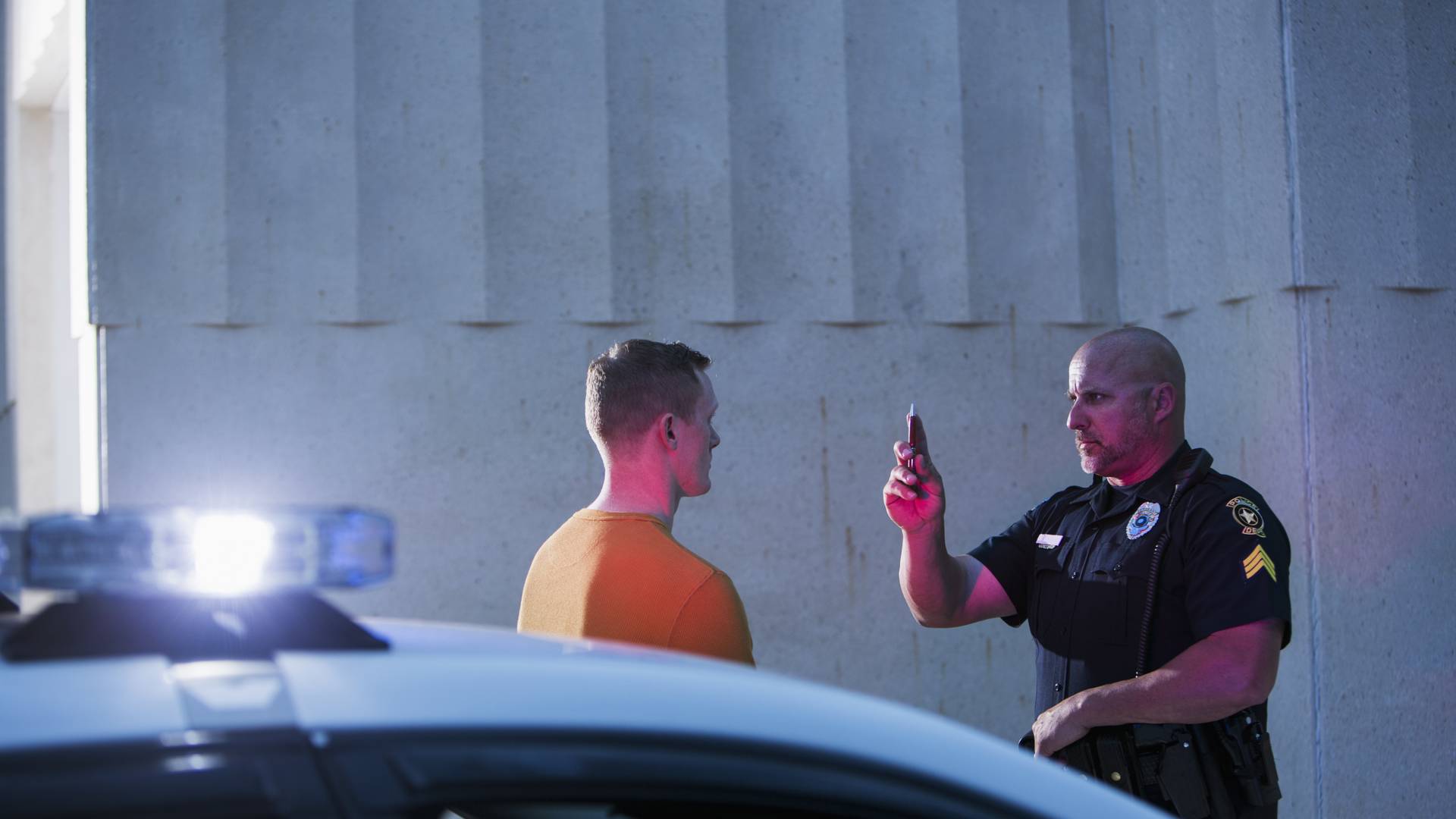
- The reliability of field sobriety testing and breathalyzer results
- Suppression issues
- Reduced charges or alternative sentencing when those options apply
Call (206) 207-4776 to discuss your charge, possible defenses, and whether DUI deferred prosecution in Seattle deserves consideration.
Eligibility for DUI Deferred Prosecution in Washington
A person charged with DUI or physical control isn’t eligible simply because a petition is filed. Before granting deferred prosecution, the court must make the findings required by RCW 10.05.020. Those findings address the petitioner’s circumstances, proposed treatment, and the legal rights being surrendered.
The petitioner must stipulate to the admissibility and sufficiency of the facts in the written police report. This formal agreement allows the court to rely on those facts. The petitioner must also waive the right to a jury trial and satisfy other statutory requirements, so the decision should follow a careful review of the police reports and available defenses.
Deferred prosecution based on a substance use disorder or mental health co-occurring disorder has statutory treatment requirements. A co-occurring disorder means a mental health condition exists alongside a substance use disorder. The court must determine whether the petition and treatment plan satisfy the law rather than treating enrollment as automatic.
Washington law permits a second petition in limited circumstances. A person who completed deferred prosecution for a first DUI or physical-control violation may petition after a later violation if the statutory conditions concerning prior offenses are met. For that determination under RCW 10.05.010, the completed first deferred prosecution isn’t counted as a prior offense.
Treatment, Abstinence & Court Conditions
A substance use disorder or mental health co-occurring disorder treatment program under deferred prosecution lasts two years. That period is distinct from the full court timeline. Even after treatment is completed, the court can’t dismiss the charge until at least five years have passed since entry of the deferred prosecution order.
Conditions associated with a DUI deferred prosecution may include:
- Total abstinence: The treatment program requires abstinence from alcohol and all nonprescribed mind-altering drugs.
- Ignition interlock: For an alcohol or substance-dependency DUI petition, the court must order installation of an ignition interlock device.
- Additional court orders: The court may require restitution, costs, support-group attendance, periodic urinalysis, or breath testing.
- Treatment compliance: The petitioner must follow the approved treatment plan and remain subject to court supervision.
These obligations can affect daily life well beyond the initial court appearance. Before recommending a course of action, I review the treatment requirements, abstinence provisions, and court conditions with the client. I also consider whether the evidence supports defenses that should be pursued instead.
Violations & Court Review During Deferred Prosecution
An alleged treatment violation doesn’t automatically determine the outcome. The court holds a hearing and takes evidence concerning the claimed failure. The petitioner has the right to present evidence addressing the allegation.
After considering the evidence, the court may continue treatment or remove the petitioner from deferred prosecution. The decision depends on the facts and applicable statutory requirements. If the petitioner is convicted of a similar offense committed during the deferred prosecution period, the court removes the case from deferred prosecution status and enters judgment.
Filing a Deferred Prosecution Petition in Seattle
A Seattle DUI case may proceed in Seattle Municipal Court or King County District Court, depending on where the arrest occurred. The petition generally must be filed at least seven days before the trial date. A court may waive that deadline for good cause, but a person considering this option shouldn’t assume additional time will be granted.
Preparing a petition requires more than selecting a treatment program. I review the charge, police evidence, court requirements, treatment obligations, and consequences of the required stipulations and waivers. I also explain how deferred prosecution compares with litigating suppression issues, negotiating a reduced charge, or proceeding toward trial.
Driver’s license consequences depend on the circumstances of the individual case, so I address them based on the relevant record rather than assuming one result applies to everyone. I provide legal services and consultations in English and Spanish.
Discuss Whether Deferred Prosecution Fits Your Case
A free initial consultation lets you discuss the charge, filing deadline, and obligations attached to deferred prosecution without financial commitment. The contact form is available for consultation requests.
I personally handle every case, so you discuss your questions and strategy directly with me.
Call (206) 207-4776 to discuss a Seattle DUI deferred prosecution petition and your other case options.

Our Real Results
-
City of Edmonds v. L.V.
December 2025 - Defendant charged with DUI and 4 other criminal charges. We were able to get the DUI reduced to negligent and all other charges dropped.
-
City of Marysville v. J.H.
Criminal Charge Dismissed 9/5/2024
-
City of Shoreline v. X.L.
December 2025 - Criminal theft charge dismissed. Defendant was charged with theft, immigration consequences if convicted, and had a warrant out for their arrest. Warrant dropped, case dismissed.
-
DOL v. J.N.
Department of Licensing hearing. Case dismissed so client was not suspended for a DUI charge.
-
DOL v. K.M.
Department of Licensing DUI hearing. Case dismissed, client did not lose license on a DUI charge.
-
DOL v. M.M.
Department of Licensing hearing. Case dismissed so client not suspended on a DUI charge.